













How Medspas Can Mitigate Legal Risks of Ozempic Services
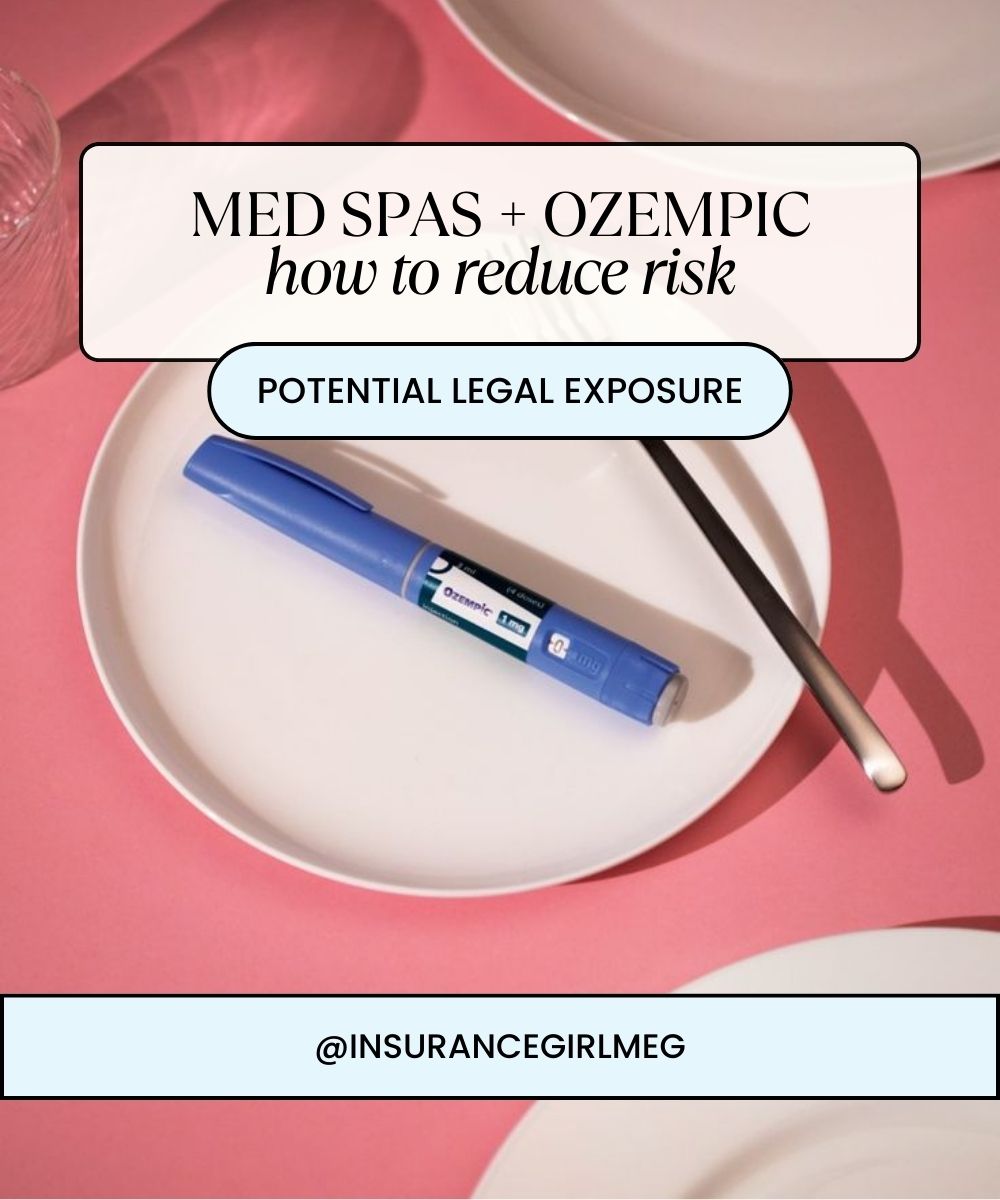
Adding Ozempic or semaglutide for weight loss can attract clients. However, offering these treatments comes with potential legal risks. Medspas must address liability concerns and comply with regulations. Understanding these risks and taking precautions is essential. This blog outlines the risks and strategies for legal protection. By staying informed, you can safely expand your services.
Understand the Potential Legal Risks
Offering weight loss drugs like Ozempic or semaglutide involves significant legal responsibilities:
- Improper administration can result in malpractice claims or lawsuits.
- Failure to inform patients of risks & failure to obtain consent forms may violate consent laws.
- Non-compliance with prescription regulations can lead to legal penalties.
- Handling adverse reactions poorly may damage your medspa’s reputation.
- Ignoring state laws could result in fines or license suspension.
Ensure Regulatory Compliance
- Research all federal and state laws about weight loss treatments.
- Verify if your state allows medspas to offer these medications.
- Consult healthcare attorneys to understand regulatory requirements and Ozempic side effects
- Stay compliant with prescribing, storage, and handling guidelines.
- Adhering to regulations minimizes the risk of legal consequences.
Develop and Enforce Safety Policies
- Establish clear protocols for prescribing and administering treatments.
- Screen patients thoroughly for contraindications and health risks.
- Ensure patients receive detailed information about possible Ozempic side effects.
- Document every step, from assessments to follow-up visits.
- Strong policies protect your medspa from negligence claims.
Provide Comprehensive Staff Training
- Verify that staff meet licensing and credentialing requirements.
- Train your team on safe use of Ozempic or semaglutide.
- Educate them on spotting and responding to adverse effects.
- Document all training sessions to demonstrate your compliance.
- Well-trained staff reduce the likelihood of patient harm or lawsuits.
Maintain Transparent Communication with Patients
- Discuss treatment risks and benefits in clear, simple terms.
- Provide written materials for patients to review at home.
- Obtain informed consent with signed, dated documentation.
- Encourage patients to report side effects or concerns immediately.
- Transparent communication builds trust and limits liability exposure.
Conclusion
Ozempic or semaglutide treatments can grow your medspa’s offerings. However, they introduce legal risks that require careful management. Non-compliance, malpractice claims, and adverse reactions are serious concerns. Protect your practice with thorough compliance, safety protocols, and staff training. Work closely with legal and insurance professionals to stay protected. By prioritizing safety and communication, your medspa can thrive while minimizing liability. For more guidance on how to protect your medspa from legal liability, email megan@mcsheainsurance.com or DM @insurancegirlmeg.
Leave a Reply